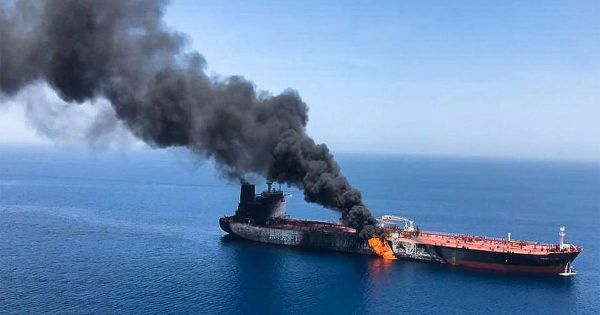
Oil Tankers Hit Near Strait of Hormuz as Farm Energy Risks Rise
At least three oil tankers were struck in or near the Strait of Hormuz on Saturday, November 21, 2026 , as military tensions involving Iran, the United States and Israel intensified around one of the world's most important energy shipping routes. The incidents raised fresh concerns about disruptions to global petroleum supplies and their potential impact on diesel prices, fertilizer production and agricultural transportation costs . For U.S. farmers, prolonged instability in the Persian Gulf could add pressure to operating expenses ahead of the 2027 planting season.
Full article
No casualties were immediately reported. Iranian state media separately reported that another tanker struck a naval mine east of the strait and caught fire. Iran's navy also claimed it had conducted extensive military operations in the area overnight. The incidents highlight growing risks to commercial shipping , although the full extent of the damage and any resulting supply disruptions remained unclear.
The Strait of Hormuz is a critical passage for international oil and liquefied natural gas shipments. Any prolonged interruption could increase shipping insurance premiums, transportation expenses and energy market volatility. Agriculture is particularly exposed to higher fuel costs , with diesel used extensively in tractors, combines, irrigation equipment and grain transportation. However, the attacks do not establish that U.S. farm fuel prices have already increased; their impact will depend on how energy markets respond.
Fertilizer markets could also face additional pressure , particularly nitrogen fertilizers such as ammonia and urea, whose production depends heavily on natural gas. Disruptions to Gulf energy exports or fertilizer shipping routes could influence international prices and availability. For American producers managing already significant input costs, changes in fertilizer quotations could affect purchasing decisions and crop budgets. The potential impact would vary by region, supplier contracts and the timing of fertilizer purchases.
The escalation comes as Iran continues demonstrating its military capabilities. AP reported that Iranian state television broadcast footage of a new dual-missile launcher at an underground facility, while Iranian officials maintained contact with Qatari mediators exploring diplomatic options. For agricultural markets, the immediate indicators to monitor are crude oil prices, diesel futures, fertilizer quotations and shipping costs , particularly if security conditions around the Strait of Hormuz deteriorate.