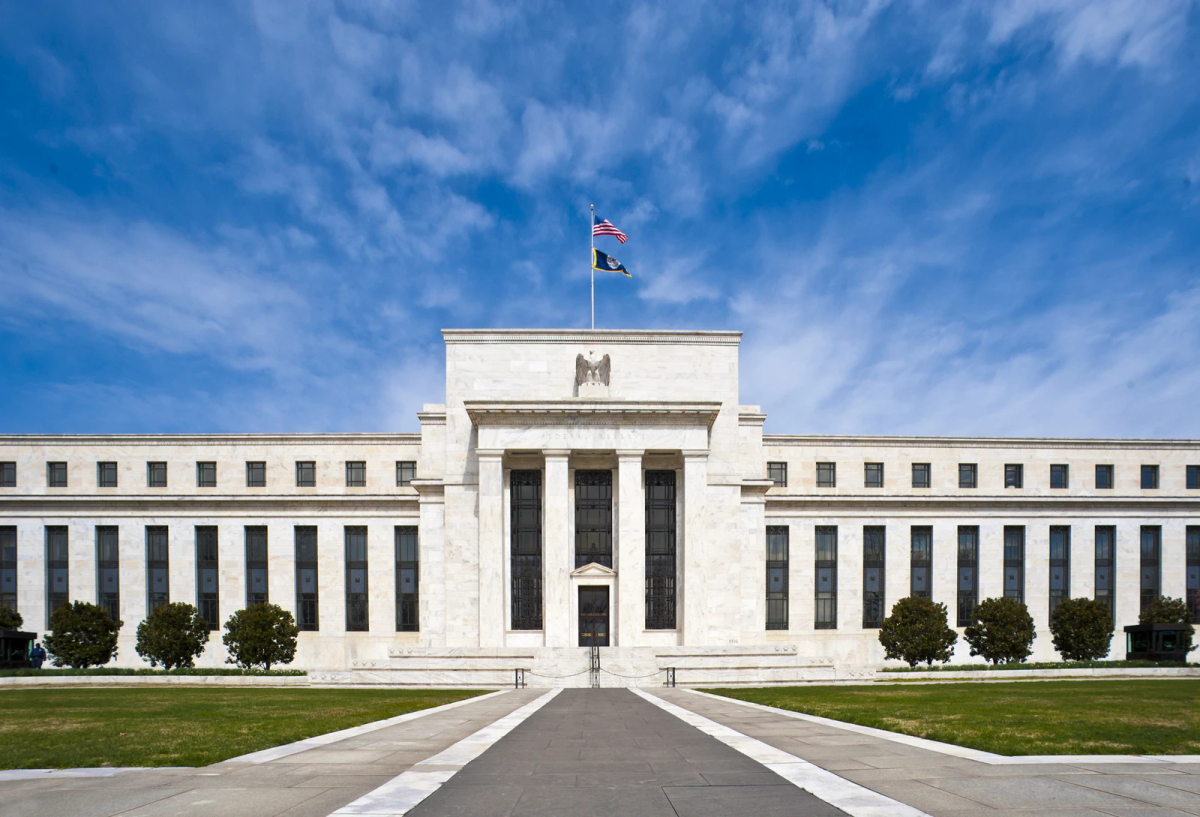
Báo cáo lạm phát PCE công bố ngày 25/11 có thể định đoạt quyết định lãi suất tháng 12 của Fed
Quyết định lãi suất tháng 12 của Cục Dự trữ Liên bang Mỹ có thể phụ thuộc vào một dữ liệu duy nhất được lên lịch vào tháng 11.
Nội dung chi tiết
The Federal Reserve's December rate decision may hinge on a single data release scheduled for Nov. 25, when the Bureau of Labor Statistics publishes the Personal Consumption Expenditures price index — the gauge the central bank formally targets at 2%.
The timing matters because the report lands the day before Thanksgiving and is the last inflation reading officials will receive before the Dec. 9 policy meeting. With two consecutive hot price reports already in hand, markets have stopped debating whether the Fed will move and started debating by how much.
The October Consumer Price Index, released Nov. 10, showed prices rising 0.4% from September, above the 0.3% consensus. Core CPI, which excludes food and energy, climbed 0.3% — the third straight month at that pace and above the 0.2% analysts had forecast. Energy's contribution faded, but food, housing, transportation services, medical care and insurance all pushed higher.
The Producer Price Index followed two days later with a mixed picture. The headline monthly gain of 0.3% came in slightly below the 0.4% expected, while the core measure matched forecasts at 0.3%. The annual rate, however, jumped to 6.5%, the largest 12-month increase since 2022.
Note: Core measures exclude food and energy. Source data from the Bureau of Labor Statistics.
Fed Governor Christopher Waller said before the CPI release that a half-point increase "should be considered" if core inflation ran at or above roughly 0.3%. It came in at exactly that level. The last time the Fed moved by 50 basis points was December 2022.
Rate futures have repriced sharply. A week before the CPI report, traders assigned no chance to a half-point December move; that probability has since climbed above 12%, according to FedWatch data cited in market commentary. The odds of no change at all, previously above 23%, have fallen to zero.
The more consequential shift is in the expected length of the campaign. Before the inflation data, futures markets priced two quarter-point increases through mid-2027. They now lean toward three, which would lift the upper bound of the federal funds rate from 4% to 4.75%.
Treasury yields moved immediately. The 10-year note traded at 4.909% just before the CPI release and rose to 4.94% afterward, briefly breaking above 5% during the session before retreating. The Treasury's $42 billion auction of new 10-year notes later that day cleared at 5.02%, with bid-to-cover of $2.46 per $100 offered, below the $2.60 average of the previous six auctions.
Fed Chair Kevin Warsh has said explicitly that the committee's 2% target is measured by PCE, making the Nov. 25 release the most authoritative input before the December vote. A reading hotter than forecast would likely harden the case for a larger move; a softer one could revive the argument for a quarter-point step and a pause thereafter.
The stakes extend beyond the rate path itself. The S&P 500 has become heavily concentrated in an artificial-intelligence trade that relies increasingly on borrowed money. Building data centers and stocking them with chips is capital-intensive, and even cash-rich companies such as Meta Platforms (META) and Alphabet (GOOG, GOOGL) have turned to debt markets to fund the buildout. A fed funds rate that ends up higher than expected raises the hurdle rate on those projects and complicates the arithmetic behind them.
Economists surveyed in the region generally expect a quarter-point increase in December as the base case, with the debate centering on whether the tightening cycle stretches into early 2027. Several see tariff effects, energy shocks and AI-related cost pressures pushing inflation higher again in the first quarter, which would delay any pivot toward easing.
For long-term investors, daily index moves around a single data release are mostly noise. The more durable question is whether the Fed's terminal rate settles at a level that changes the financing math for the largest companies in the benchmark — and that answer arrives at 8:30 a.m. Eastern on Nov. 25.