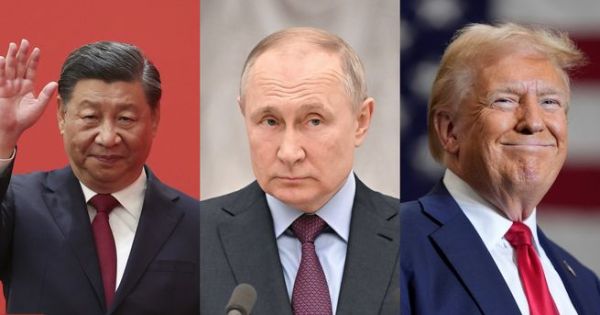
Thượng đỉnh Trump-Xi tâm điểm chú ý vào xuất khẩu đậu nành Mỹ và thuế quan 10% của Trung Quốc
Tổng thống Donald Trump dự kiến sẽ gặp Chủ tịch Trung Quốc Tập Cận Bình và Tổng thống Nga Vladimir Putin vào tuần tới tại Thâm Quyến, Trung Quốc, bên lề hội nghị thượng đỉnh Hợp tác Kinh tế Châu Á - Thái Bình Dương (APEC)...
Nội dung chi tiết
President Donald Trump is expected to meet Chinese President Xi Jinping and Russian President Vladimir Putin next week in Shenzhen, China , on the sidelines of the Asia-Pacific Economic Cooperation (APEC) summit, according to the White House. The meeting comes as China maintains a 10% retaliatory tariff on U.S. soybeans , despite a sharp recovery in export commitments. For American farmers, the diplomatic encounter raises questions about market access, Chinese demand and competition with Brazil.
Agriculture has not been confirmed as part of the agenda, but the negotiations come at a sensitive moment for U.S. grain exporters, particularly as producers evaluate commodity prices, export demand and marketing strategies for the 2026/27 season.
The latest USDA Grain Transportation Report, published November 12 , shows that Chinese commitments for U.S. soybeans reached 15.95 million metric tons as of October 29 , compared with just 232,000 metric tons during the same period a year earlier. The figures represent a substantial recovery in demand, although commitments include both completed shipments and outstanding sales that have yet to be delivered.
Across all destinations, U.S. soybean export commitments totaled 30.23 million metric tons , up 76% year over year. China represented approximately 53% of those commitments , highlighting the importance of the Chinese market for American soybean producers. The USDA's November forecast placed total U.S. soybean exports at 46.81 million metric tons for the marketing year.
Despite stronger purchasing activity, trade barriers continue to influence China's sourcing decisions. In its November 4 Oilseeds and Products Update, the USDA Foreign Agricultural Service (FAS) reported that Chinese state-owned enterprises continued buying U.S. soybeans under the existing trade agreement, while private buyers favored South American supplies because of the 10% retaliatory tariff .
The USDA projects Chinese soybean imports of 110 million metric tons in 2026/27 , reinforcing the country's influence over global oilseed markets. For farmers in Iowa, Illinois, Minnesota and Nebraska, Chinese purchasing decisions can affect local cash prices, grain elevator demand, transportation flows and marketing opportunities.
Brazil remains the leading competitive challenge for U.S. exporters. Chinese importers compare delivered prices, including tariffs, freight and logistics costs. Even with stronger American export commitments, Brazilian soybeans can remain attractive when their landed costs are lower. Any reduction in trade barriers could improve U.S. competitiveness, although no new agricultural agreement has been announced ahead of the summit.
Russia's participation adds another dimension to global agricultural markets. As a major wheat and fertilizer supplier, Russia influences international grain flows, input costs and supply-chain risks. However, the confirmed diplomatic agenda remains focused on security issues, and there is no indication that agricultural trade agreements involving Russia will be negotiated.
For U.S. producers and grain cooperatives, attention will turn to USDA weekly export sales, actual shipments to China, tariff announcements and Chicago soybean futures . These indicators will help determine whether diplomatic engagement produces measurable changes in agricultural trade.
China's 15.95 million metric tons in soybean commitments represent roughly 53% of total U.S. export commitments , but the continuing tariff leaves American exporters competing against South American suppliers for additional commercial demand.