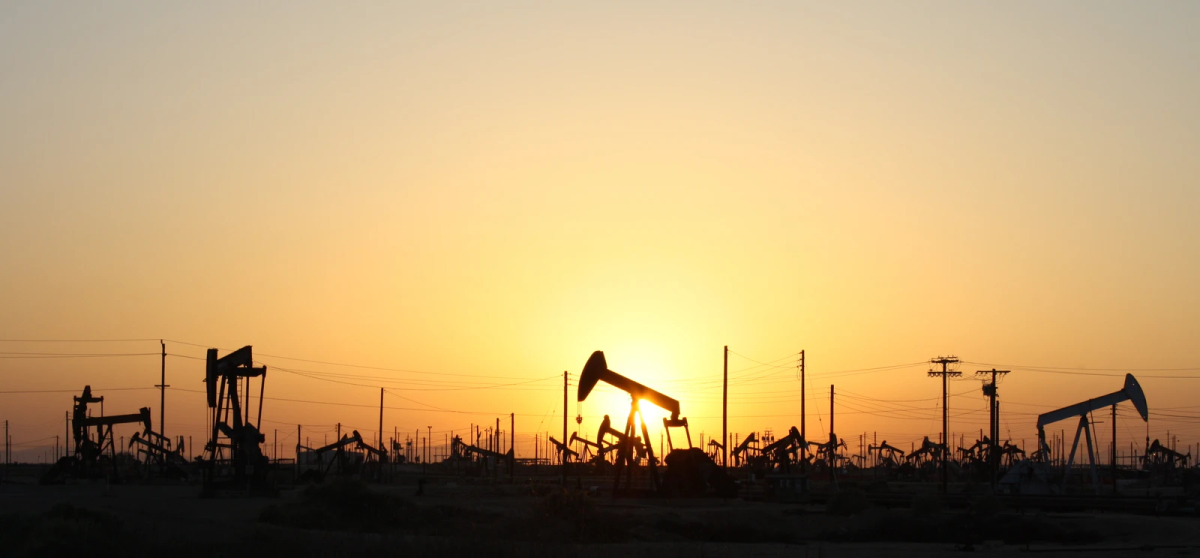
Brent đóng cửa ở mức 93,14 USD khi các cuộc tấn công tàu chở dầu ở Hormuz bù đắp nỗi lo dư thừa
Giá dầu tương lai đóng cửa tăng nhẹ vào thứ Ba, ngày 17 tháng 11, do các cuộc tấn công mới nhằm vào hoạt động vận shipping tại Eo biển Hormuz và kỳ vọng tồn kho Mỹ giảm.
Nội dung chi tiết
Oil futures closed modestly higher on Tuesday, Nov. 17, as renewed attacks on shipping in the Strait of Hormuz and expectations of a draw in U.S. crude stockpiles outweighed a growing consensus that global supply is about to outrun demand.
Brent crude for nearby delivery settled up 70 cents, or 0.76%, at $93.14 a barrel, while U.S. West Texas Intermediate gained 29 cents, or 0.34%, to finish at $86.01. The advances were small relative to the month's damage: Brent has lost roughly 20% of its value in November and WTI about 16%.
The session was pulled in two directions. On the geopolitical side, Iranian drones struck a U.S. military radar installation in Bahrain, and a vessel in the Strait of Hormuz was hit twice, with its crew unaccounted for. American forces launched fresh airstrikes on Iran the same day, targeting a missile-launch site on Qeshm Island in retaliation for attacks on U.S. personnel and assets. President Donald Trump told reporters the administration is treating seriously the possibility that Tehran is planning an attack involving a radiological dispersal device, or dirty bomb, in Washington.
"The rhetoric is cranked up," said Bob Yawger, director of energy futures at Mizuho, describing the exchange of retaliatory strikes. Even so, he said the prospect of an oversupplied market has blunted the reaction, adding: "You're not getting these big giant moves like you were anymore."
That view is anchored in last Friday's assessment from the International Energy Agency, which concluded the global market will swing back into surplus in the fourth quarter as Middle East exports recover faster than worldwide demand grows. Gulf producers have lifted shipments back toward levels seen before the Iran war began in February, and the cost of chartering tankers has tumbled, a sign that the risk premium attached to moving oil by sea is unwinding.
"Brent is trading in a range," said Tamas Varga, an oil analyst at brokerage PVM. "At the moment there are two opposing forces at work," he said, with part of the market positioned for rising Middle East supply and another part still focused on the danger of war-related disruption.
Supply-side risks have not vanished. Yemen's Iran-aligned Houthis said Tuesday they fired five drones at two pumping stations along Saudi Arabia's East-West pipeline near Riyadh, the latest in a series of claimed attacks this month on the conduit that lets Saudi crude bypass the Strait of Hormuz. Fighting between the group and the Saudi-led coalition backing Yemen's internationally recognized government has continued.
Investors were also positioning ahead of weekly U.S. inventory data, due from the American Petroleum Institute late Tuesday and from the Energy Information Administration on Wednesday.
Separately, Energy Department figures showed the U.S. Strategic Petroleum Reserve held 276.4 million barrels last week, the smallest volume since August 1982. The drawdowns stem from a U.S. commitment to release 172 million barrels from the emergency stockpile, a program that has thinned the country's buffer against a sudden supply shock.
Note: Settlements reflect Tuesday's close. Strategic Petroleum Reserve figure is from Energy Department data.
The bigger question for traders is where the marginal barrel will come from. Analysts at ANZ cautioned in a note that the recovery in flows is fragile, with throughput through the Strait of Hormuz running at only 49% of pre-war levels and a rising share of exports forced onto alternative routes that are themselves exposed to attack or logistical bottlenecks. They argued current supply volumes are "unsustainable over the longer term."
Producers, meanwhile, are already looking past the current quarter. OPEC met online Monday to review members' maximum sustainable production capacity, an exercise that will feed into quota decisions for 2027 and beyond, and the wider OPEC+ group, which includes Russia and other allies, is scheduled to convene Nov. 29 to set output policy for next year.
For now, the market's near-term direction hinges on whether the war premium can reassert itself against a supply picture that is steadily loosening. Each new strike on shipping lifts the risk of a spike, but with Gulf barrels flowing again and the IEA projecting a surplus, rallies have struggled to extend beyond a single session.