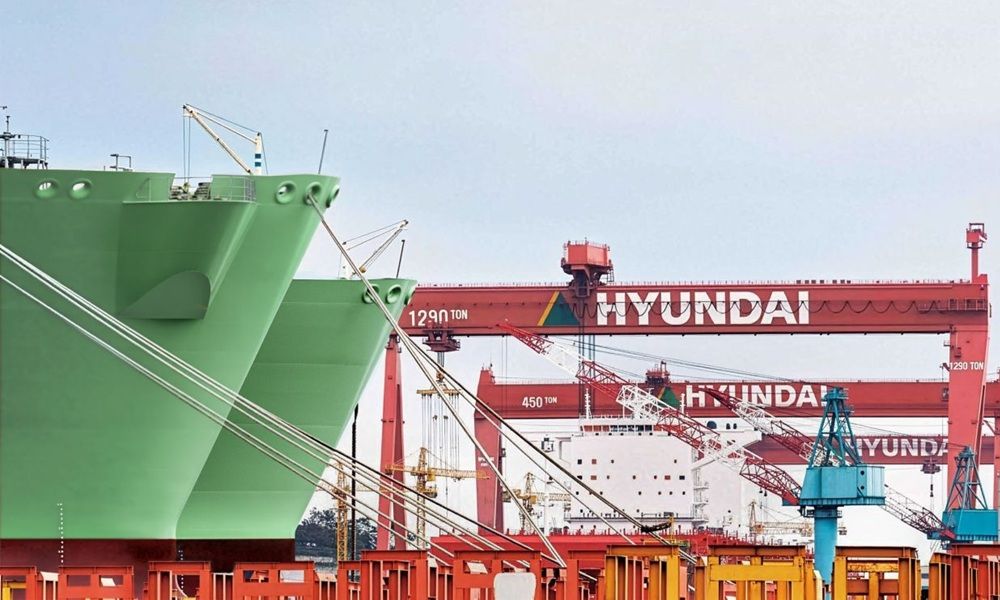
IEA dự báo đội tàu chở dầu tăng 45% và tàu chở LNG tăng 80% vào năm 2050
Theo các dự báo mới từ Cơ quan Năng lượng Quốc tế (IEA), đội tàu chở dầu toàn cầu có thể tăng 45% và đội tàu chở LNG tăng 80% vào năm 2050, cho thấy ngành vận tải biển vẫn phụ thuộc vào nhiên liệu hóa thạch...
Nội dung chi tiết
The global oil tanker fleet could expand by 45% and the LNG carrier fleet by 80% by 2050, according to new projections from the International Energy Agency (IEA), highlighting shipping’s continued dependence on fossil fuel trades even as the energy transition gathers pace.
The figures feature in a new 55-page IEA study examining extreme weather risks to international energy shipping.
Under the agency’s Current Policies Scenario, which assumes a relatively slow energy transition, oil and gas shipping activity is projected to rise from approximately 32trn tonne-kilometres today to 47trn by 2050.
Even under its Stated Policies Scenario, which assumes faster improvements in energy efficiency and clean technology deployment, oil tanker fleet capacity requirements are projected to increase by 35%, with LNG carrier numbers rising 60%.
The findings underline the continuing importance of tonne-mile demand in shaping tanker markets. Since 2000, seaborne crude oil volumes have grown by just 15%, but tanker transport activity measured in tonne-kilometres has increased by around 40%, reflecting the shift in refining capacity and oil import demand towards Asia.
LNG volumes, meanwhile, have quadrupled over the same period.
The IEA also highlights how climate-related disruptions could further stretch effective vessel supply A tanker sailing from the US Gulf to Japan via the Cape of Good Hope rather than the Panama or Suez canals would travel an additional 13,000 km, adding 26 days to the voyage and increasing fuel consumption by 75%.
With weather-related port downtime projected to increase by 35% by mid-century, the report suggests that longer voyages, delayed cargoes and more frequent diversions could further tighten vessel availability and support freight rates.