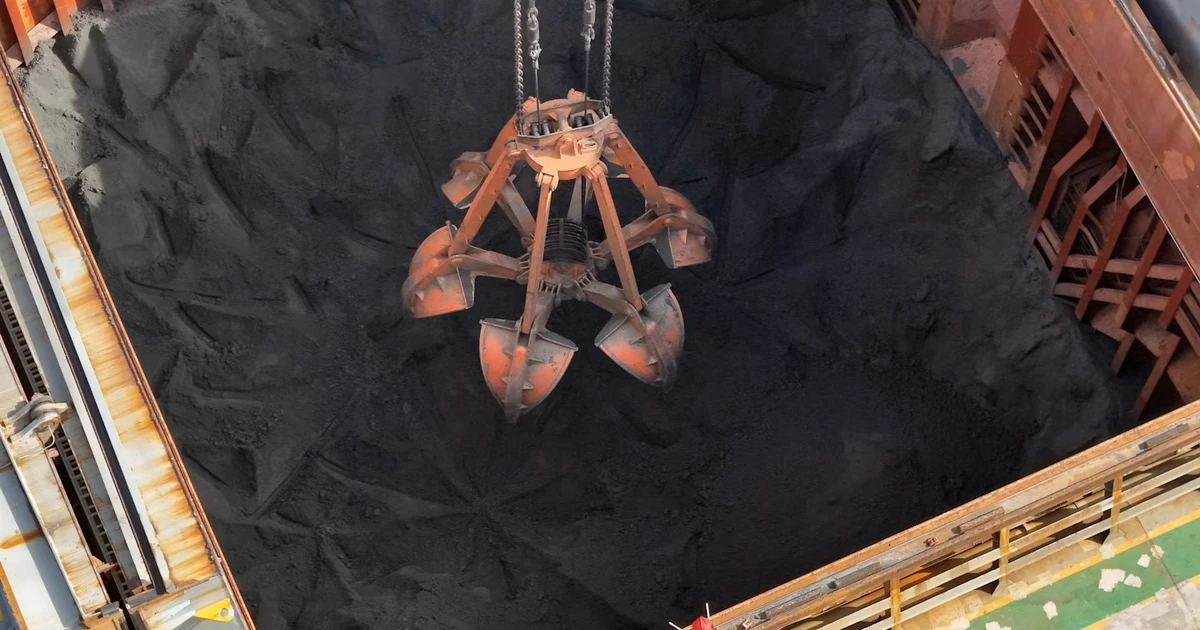
Dòng chảy đồng từ Mỹ bắt đầu chuyển hướng sang Trung Quốc khi lo ngại về thuế quan hạ nhiệt.
(CLO) Các thương nhân đang chuyển đồng từ Mỹ sang Trung Quốc trong bối cảnh có lo ngại rằng Washington sẽ nới lỏng thuế nhập khẩu. Trong khi Mỹ dư thừa nguồn cung, Trung Quốc lại thiếu hụt đồng và đưa ra mức giá hấp dẫn hơn.
Nội dung chi tiết
(CLO) Traders are shifting copper from the US to China amid concerns that Washington will ease import tariffs. While the US has a surplus of supply, China has a shortage of copper and offers more attractive prices.
According to the commodities group Marex, concerns about Washington's tariff policies have prompted traders to ship record amounts of copper into the US this year. This activity has resulted in approximately 94% of copper inventories held globally by the London Metal Exchange (LME) and Comex now being concentrated in the US, a sharp increase from 20% two years ago.
Previously, businesses rushed to import copper into the US in anticipation that the Trump administration would impose tariffs on the commodity. If the tariffs were implemented, imported copper could then become more expensive, increasing the value of shipments already in the US.
However, the prospect of imposing tariffs is now uncertain. Changes in policy expectations, along with the results of the US midterm elections, have led traders to begin doubting Washington's ability to implement this measure. As a result, US copper imports have slowed down significantly.
According to data from Kpler, the amount of copper expected to be imported into the US this month is less than half of the record level recorded in October. As the momentum for stockpiling weakens, the price advantage of the US market is gradually disappearing.
Copper prices on the London Metal Exchange have fallen from over $14,670 per ton at the end of last month to below $12,600 per ton this week. Besides concerns about tariffs, the market is also pressured by worries that the pace of construction of data centers serving artificial intelligence ( AI ) may slow down. This is a sector expected to generate significant demand for copper due to its need for power systems, wiring, and cooling equipment.
While the US is no longer as attractive as it once was, China is emerging as a potential destination. There, copper inventories are low, while import demand is driving metal prices significantly higher than in the US market.
Albert Mackenzie, an analyst at research firm Benchmark, said some traders have begun shifting dollars from the US to China, while others are preparing to do the same.
China is becoming a new destination for copper exports.
Traders say that copper stored in Long Beach, California, is being shipped to China. This is one of the closest copper storage locations in the U.S. to Asia, helping to shorten shipping times and reduce costs.
Shipment activity has also expanded to warehouses in New Orleans and Baltimore. According to one trader, buying copper in the US and then shipping it to China is proving profitable due to the price gap between the two markets.
Currently, copper prices in China are significantly higher than in the US, with a difference large enough to offset double the shipping costs. One trader predicts that hundreds of thousands of tons of copper could arrive at Chinese ports by the Lunar New Year in February next year. Traders in China and Singapore are believed to be at the forefront of this shipment.
The shift in supply reflects the contrasting situations between the two markets. While China is facing a supply shortage, US copper inventories have surged after months of massive imports. One trader said that Chinese copper reserves are now only sufficient to meet demand for a few hours, rather than weeks. Conversely, the US is holding nearly 2 million tons of copper as traders stockpiled it in anticipation of tariffs.
Alastair Munro, senior metals strategist at Marex, said the price advantage that once attracted copper to the US market has disappeared. The price differential between copper contracts on the CME and LME exchanges has reversed. The higher price on the CME has almost vanished as contracts approach delivery, while prices on the LME are now higher.
In China, the price of imported copper through Yangshan port has reached a record high of approximately $500 per ton compared to the international reference price. This indicates a very high demand for copper imports in the Chinese market.
Mackenzie noted that the supply shortage and high price differential are creating attractive trading opportunities for traders. Increasingly, there is growing belief that the likelihood of the US imposing import tariffs on copper has decreased, potentially leading to a shift of the metal previously imported into the US to China.
Expectations of tariff changes put pressure on the copper market.
The shift in expectations regarding trade policy is directly impacting sentiment in the copper market. Billionaire Stan Druckenmiller, a renowned macro investor, has shifted to a pessimistic view on the metal.
Meanwhile, technology stocks also came under selling pressure due to concerns that Democratic policies could slow the construction of new data centers. This raised doubts about the future outlook for copper demand, as data centers require large quantities of the metal for their power systems and infrastructure.
In a report to investors, Goldman Sachs said the market had begun to factor in the possibility that the US would not impose tariffs on the dollar.
The reversal of copper flows also raises questions about the effectiveness of the US's recent strategy of stockpiling copper. One trader suggested that the US had attracted approximately $25 billion worth of copper due to expectations of tariffs. If Washington had not implemented this measure, the accumulated metal could have shifted back to China, where demand is higher and supply is limited.
After months of copper being concentrated in the US, traders are now recalculating the direction of the supply. As price differentials shift and the risk of tariffs eases, China is becoming a more attractive destination, potentially significantly altering the global copper supply distribution.