Liên hợp quốc phơi bày chi phí của cuộc khủng hoảng vận tải biển Biển Đen
Brussels đang tìm cách cấm các tàu chở dầu được bảo hiểm tại Nga và Liên hợp quốc đang thúc đẩy một thỏa thuận vận chuyển ngũ cốc nhân đạo mới ở Biển Đen khi chiều ⇿ hướng hàng hải của cuộc chiến tranh Ukraine ngày càng lan rộng...
Nội dung chi tiết
Brussels is seeking to ban tankers insured in Russia and the United Nations is pushing for a new humanitarian grain shipping arrangement in the Black Sea as the maritime dimension of the Ukraine war spreads ever further from its original theatre.
European Commission president Ursula von der Leyen unveiled the proposed 22nd sanctions package against Moscow yesterday, with more than 70 additional ships facing blacklisting and restrictions on European companies servicing Russian energy infrastructure set to be expanded.
Meanwhile, some startling statistics were presented at yesterday’s UN Security Council briefing on the Black Sea shipping crisis.
Luke Lindberg, executive director of the World Food Programme (WFP), revealed that by mid-October the number of vessels carrying wheat and corn through the Bosphorus was down 63% year-on-year. Around 10m tonnes of Russian and Ukrainian wheat could fail to reach international markets this year, equivalent to enough food to feed 44m people.
“Grain is available, but it is not reaching the people who need it,” Lindberg told the Security Council, offering the WFP’s services to facilitate humanitarian grain shipments from both countries.
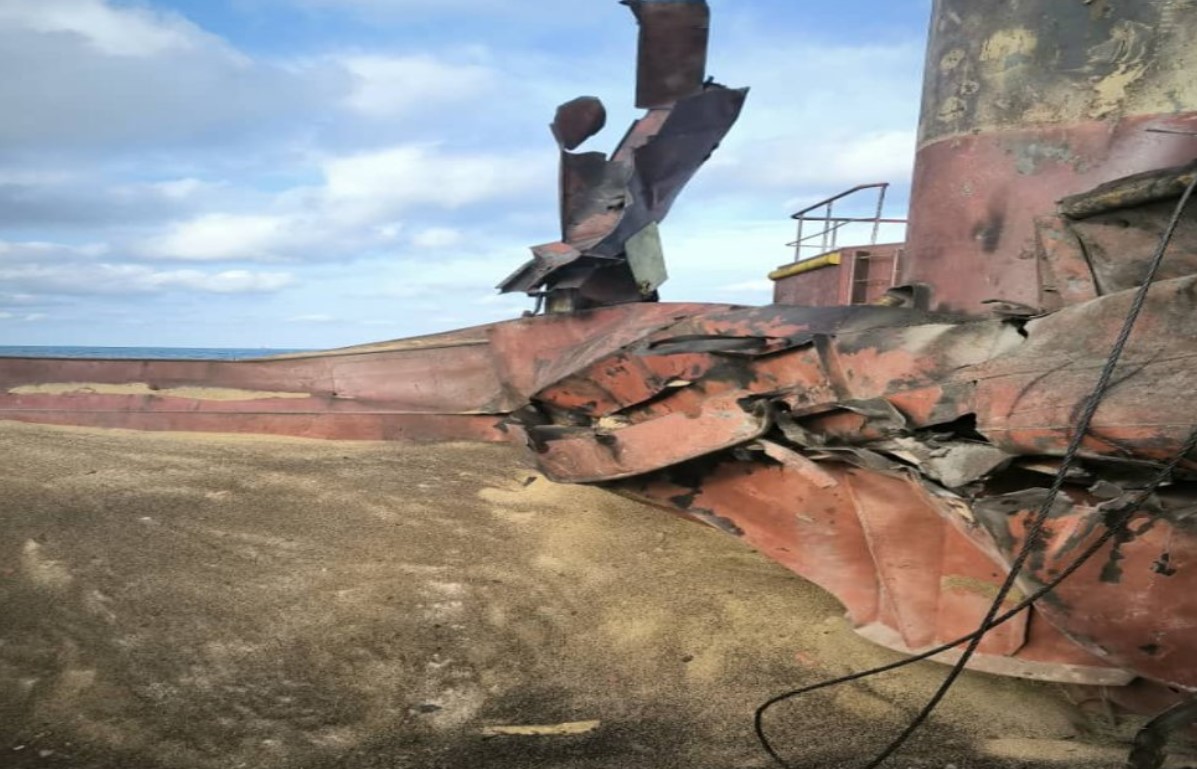
Rosemary DiCarlo, the UN’s under-secretary-general for political and peacebuilding affairs, said human rights monitors had received reports of 164 attacks on commercial vessels between June and October, of which 15 had been independently verified, leaving at least 21 maritime workers dead and 43 injured.
Russia’s deputy UN ambassador, Anna Evstigneeva, claimed Ukrainian forces had targeted more than 200 commercial vessels across five seas since July.
The US called on both sides to stop attacking merchant shipping and port infrastructure, while EU ambassador Stavros Lambrinidis said efforts to establish a Black Sea Maritime Security Hub in Romania and Bulgaria had been accelerated, with €50m in funding proposed.
In his evening address yesterday, Ukrainian president Volodymyr Zelensky confirmed Kyiv’s involvement in Sunday’s attacks on two Russian vessels off Libya, identifying the merchant ship involved as the Angara, which Ukraine alleges was transporting weapons.
“Ukrainian naval operations will continue,” Zelensky warned.
Following Saturday’s attack on the Russian cargo ship Sparta II in the Gulf of Finland, Estonian prime minister Kristen Michal told national broadcaster ERR yesterday that countries bordering the Baltic needed to become accustomed to such incidents, highlighting the associated pollution risks.
Russia’s oil export machine, meanwhile, is facing mounting operational difficulties. The Novoshakhtinsk refinery in Russia’s southern Rostov region suspended operations yesterday following Ukrainian strikes, with Kyiv also confirming attacks on Lukoil’s 13m tonne-a-year refinery in Perm and an oil pumping station in Tatarstan.
More than 10 tanker loadings at Russian Baltic terminals have been delayed in recent days by adverse weather, while storms have suspended oil loadings at Novorossiysk, where operations were already being disrupted by frequent drone alerts. Impending winter ice restrictions in the Baltic will further limit the pool of available tanker tonnage.