Cuộc chiến bóng tối của Ukraine tại Châu Phi
Các điểm nổi bật trong tuần này: Ukraine tấn công các tàu của Nga tại Libya nhằm "đáp trả cuộc chiến của Nga," Gambia thắng kiện lịch sử tại Tòa án Công lý Quốc tế, và các quốc gia Châu Phi phản ứng trước một Liên hợp...
Nội dung chi tiết
The highlights this week: Ukraine attacks Russian vessels in Libya in “response to Russia’s war,” Gambia wins a landmark case at the International Court of Justice, and African nations respond to a disappointing United Nations climate summit .
The highlights this week: Ukraine attacks Russian vessels in Libya in “response to Russia’s war,” Gambia wins a landmark case at the International Court of Justice, and African nations respond to a disappointing United Nations climate summit .
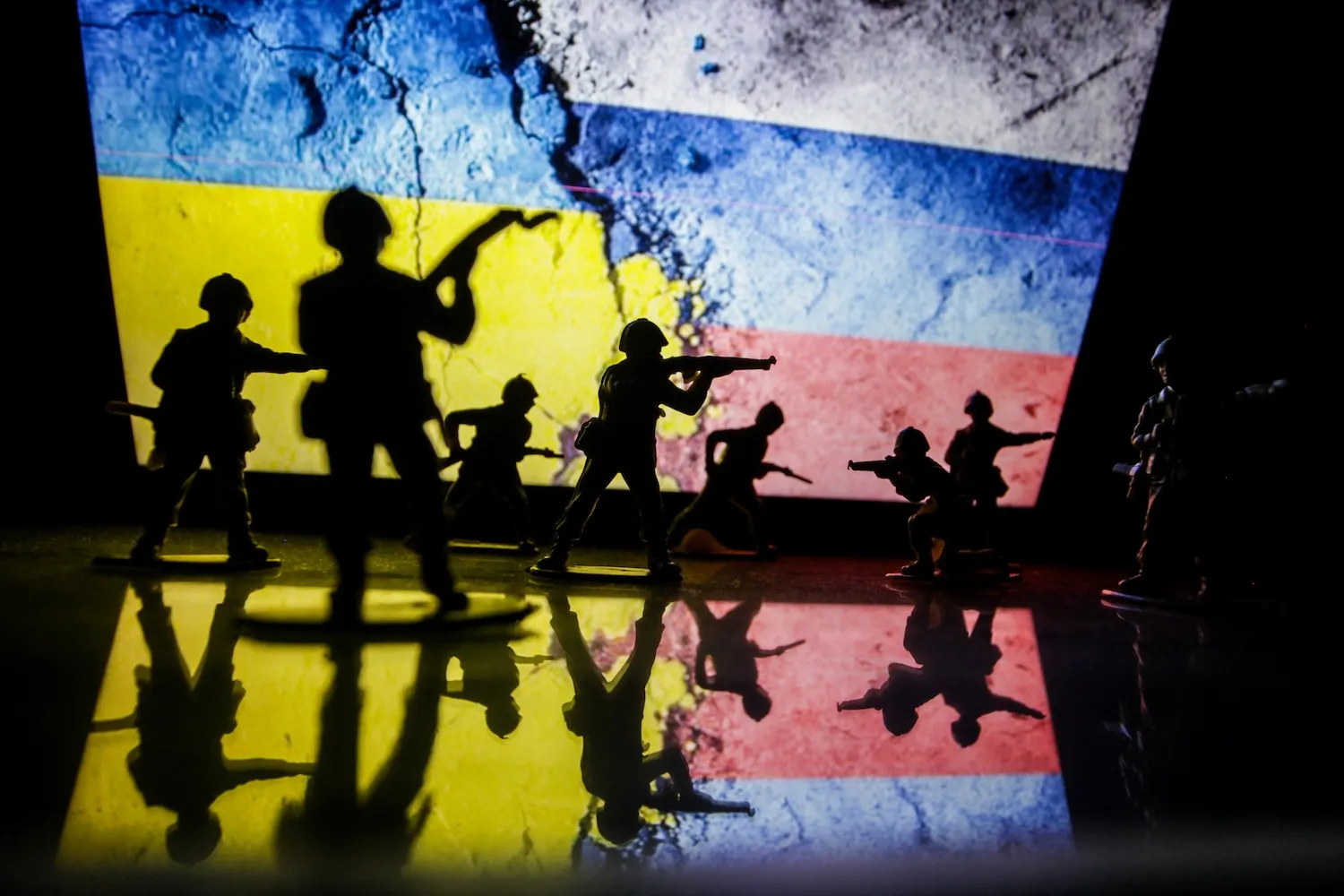
Kyiv claimed responsibility on Monday for a recent attack on two Russian vessels off the coast of Libya, including the corvette Merkury , one of Russia’s newest warships. The vessels had been docked at the Benghazi naval base when the attack occurred on Sunday.
Ukrainian President Volodymyr Zelensky has described the operation as “exemplary” and noted that it was in “response to Russia’s war.”
Yet security experts warn that conducting drone strikes within a region that is not involved in the Russia-Ukraine war could set a dangerous precedent, especially as they fear Africa is becoming a proxy theater in the conflict.
The United Nations mission in Libya, known as UNSMIL, has called for “an immediate, independent and transparent investigation” into the drone strikes. “Libya cannot afford, and must not become, a battleground for foreign conflicts,” UNSMIL wrote on X.
Kyiv has confirmed that seven Ukrainian-made naval drones had been launched from a “mothership” in the region, though it did not clarify how they were transported there. Some unverified Libyan sources have alleged that Tripoli’s U.N.-recognized government may have aided Ukraine, which Tripoli strongly denied .
Both of Libya’s rival administrations—the government in Tripoli, led by Prime Minister Abdul Hamid Dbeibah, and a Russia-backed government based in Benghazi, controlled by Gen. Khalifa Haftar—have denounced the attacks.
Following the 2024 fall of the Assad regime in Syria, where Russia operates a naval base, Moscow has sought alternative military footprints in Africa, including by pursuing airbases in eastern Libya . Syria served as a logistical hub for transferring troops and arms to landlocked Sahel nations, where Russia’s mercenary Africa Corps helps fight jihadists.
With Syria growing closer to the United States and Europe, Libya now serves as that hub, explained Ulf Laessing, the head of the Syria/Iraq program at the Konrad-Adenauer-Stiftung and the author of Understanding Libya Since Gaddafi .
“Ukraine is trying to hit Russia wherever they can. It’s difficult for Ukraine to hit Russian targets where the Africa Corps is based in the Sahel,” Laessing said. “It’s more efficient and easier to do it where Russia is basically bringing goods.”
Zain Hussain, a researcher at the Stockholm International Peace Research Institute, said that “through this attack, Ukraine is showing that it can target Russia’s geopolitical interests as well as fighting a war with Russia at home.”
The strikes come amid increasing concern that the war in Ukraine is spreading to other African countries.
Meanwhile, in the Sahel, multiple media reports have accused Ukraine of supporting and training northern Mali’s Tuareg separatists in recent years as a means of wearing down Russian forces there.
Experts suspect Ukrainian drone assistance in the Tuareg ambush that killed dozens of Russian Wagner mercenaries and Malian soldiers in 2024. At the time, Andriy Yusov, a spokesperson for Ukrainian military intelligence, said that the rebels had been given the “necessary” information to carry out the attacks. Yusov’s comments prompted Mali to sever relations with Ukraine, accusing Kyiv of supporting a “barbaric” attack by terrorists.
Analysts also suspected Ukrainian involvement in the brief insurgent takeover of Mali’s strategic town of Kidal earlier this year by Tuareg and al Qaeda-linked jihadists. Ukraine’s Foreign Ministry has officially rejected the allegations.
Ukraine’s latest attacks are unlikely to disrupt eastern Libya’s ties with Russia, Laessing said, especially as Moscow needs “a country on the way to the Sahel.” Still, they add a layer of complexity to long-standing violence and drone warfare in Sahelian nations, said Virginie Baudais, the director of the Stockholm International Peace Research Institute’s Sahel and West Africa program.
As Baudais put it, the “internationalization of the conflict” in the Sahel will only contribute to “the escalation of violence, with the highest cost for civilian populations.”
Monday, Nov. 23, to Friday, Nov. 27: The Africa Centres for Disease Control and Prevention’s public health conference is held in Addis Ababa, Ethiopia.
Friday, Nov. 27: The deadline for councils in South Africa to elect their leaders.
Somalia-UAE rift. Last week, Somalia expelled the United Arab Emirates’ ambassador and recalled its own envoy from Abu Dhabi, citing violations of the country’s sovereignty that amounted to an “open invasion.”
The dispute stems from growing Emirati ties with Ethiopia and the Somalian breakaway regions of Somaliland and Puntland. Somali President Hassan Sheikh Mohamud also accused the UAE of having played a role in Israel’s recognition of Somaliland last December in a statement to Somalian state news agency SONNA.
The UAE’s state-owned DP World and its subsidiaries operate ports in those breakaway regions. They have expanded the Berbera port in Somaliland and are developing a road corridor connecting it to landlocked Ethiopia. In January 2024, Addis Ababa signed a memorandum of understanding to eventually recognize Somaliland’s independence in exchange for naval and commercial access to Berbera.
In response to Somalia’s latest move, the UAE said its embassy in Somalia had been closed since January, after Mogadishu canceled bilateral agreements, and it strongly denounced the “escalatory and hostile approach” by the Somali government amid the latest diplomatic spat.
ICJ ruling. Gambia, the smallest nation in mainland Africa, won a landmark case last week when the International Court of Justice (ICJ) ruled that Myanmar committed genocide in its 2017 military campaign that killed at least 10,000 members of the Rohingya Muslim minority community and displaced more than 700,000 into neighboring Bangladesh.
A Muslim-majority nation, Gambia brought the case to the court in 2019. Now, the ruling has possible implications for South Africa’s ICJ genocide case against Israel for its operations in Gaza.
Both Myanmar and Israel have defended their actions as counterinsurgency operations. But in its decision, the court considered a pattern of mass killings, the razing of homes, and forced exodus.
COP31’s failures. This year’s U.N. climate summit, known as COP31, in Turkey ended on Sunday without an agreement after references to phasing out fossil fuels were removed from the draft text. Despite being the most attended COP to date, some observers have called it the “ worst ” one ever.