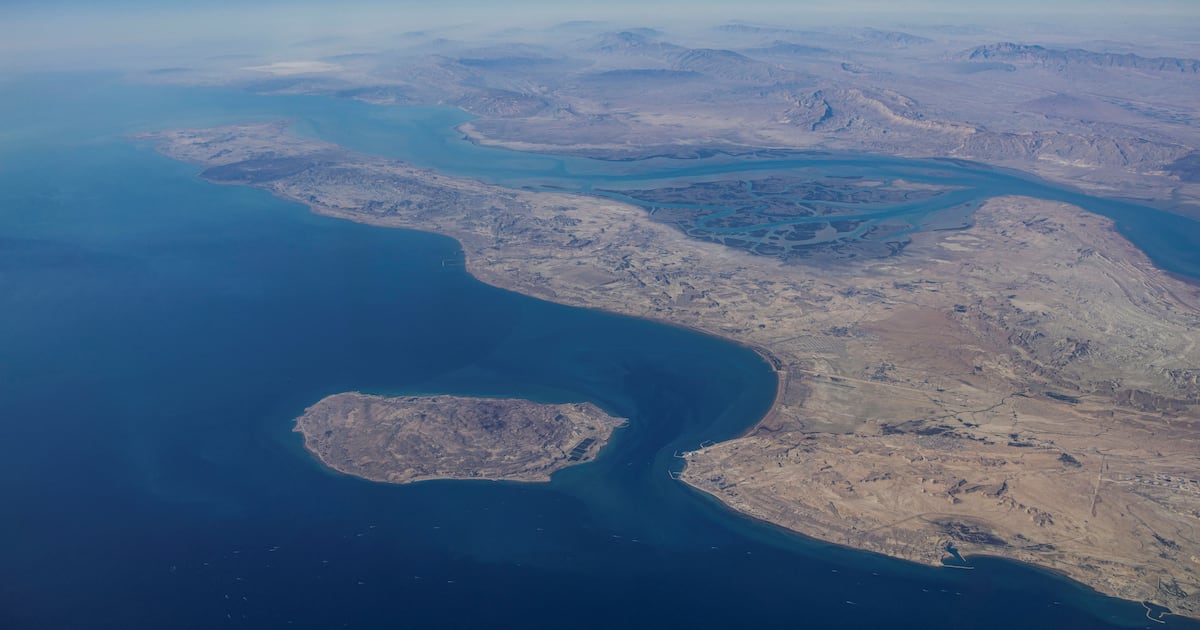
Oil prices cross $105 after US strikes on Iran’s Qeshm Island
Oil prices edged higher on Tuesday after reports of a US strike on Iran’s Qeshm Island revived concerns about an escalation of the conflict and further disruption at the Strait of Hormuz .
Nội dung chi tiết
Brent, the benchmark for two thirds of the world’s oil , was trading 2.03 per cent higher at nearly $107 a barrel at 12.52pm UAE time. West Texas Intermediate, the gauge that tracks US crude, was up 1.75 per cent to 98.15 a barrel.
The gains followed a sharp slide on Monday, when both Brent and WTI plunged more than 7 per cent, with Brent settling at $104.77 a barrel and WTI at $96.46 a barrel.
Iranian state media said there were several explosions on the island, which is at the mouth of Hormuz.
Smaller scale strikes have been carried out and kept secret to avoid indicating any US intent to resume its major military campaign against Iran , the report added.
“Overnight US strikes renewed uncertainty, leaving crude near $105 per barrel this morning and the diplomatic opening vulnerable,” said Daniel Richards, senior economist at Emirates NBD.
The latest military action comes as the US goes to the polls on Tuesday for midterm elections. It also puts the focus back on the risk of supply disruption, a day after US President Donald Trump reportedly said he wanted to give diplomacy with Iran more time before considering renewed military strikes.
“For oil, the decisive question will be whether the midterm elections can align the political pieces to pave the way for more normal supply conditions – or push that prospect further away,” said Ipek Ozkardeskaya, senior analyst at Swissquote.
“The clearest downside scenario for crude is credible de-escalation of geopolitical tensions followed by improving supply flows. The clearest upside scenario is renewed disruption while inventories continue absorbing the shortfall.”
While the US midterms could change expectations rapidly, “they cannot, by themselves, reopen shipping routes, repair damaged infrastructure or reverse the AI impact on broader economies”, she added.
The Strait of Hormuz, a vital shipping route connecting the Gulf to global markets, carried about a fifth of the world's crude oil and natural gas supplies before the conflict began in late February.
Oil prices hit a six-month high at the end of October on Hormuz strikes and the probability of the conflict escalating again after the midterm elections.
"Energy prices have been at lofty levels for a while, at least from our perspective. Oil trading above $100 and European natural gas above €90 is difficult to reconcile with current market realities," said Norbert Rucker, head of economics and next generation research at Julius Baer.
"We are in an extraordinarily noisy week due to the midterms, and in a phase where the complex energy supply chains are normalising. Given this setting, today’s exceptional market fever and wild price swings should not come as a surprise. We maintain our cautious view on oil."