Democratic Sweep Puts Trump’s Maritime Agenda in Question
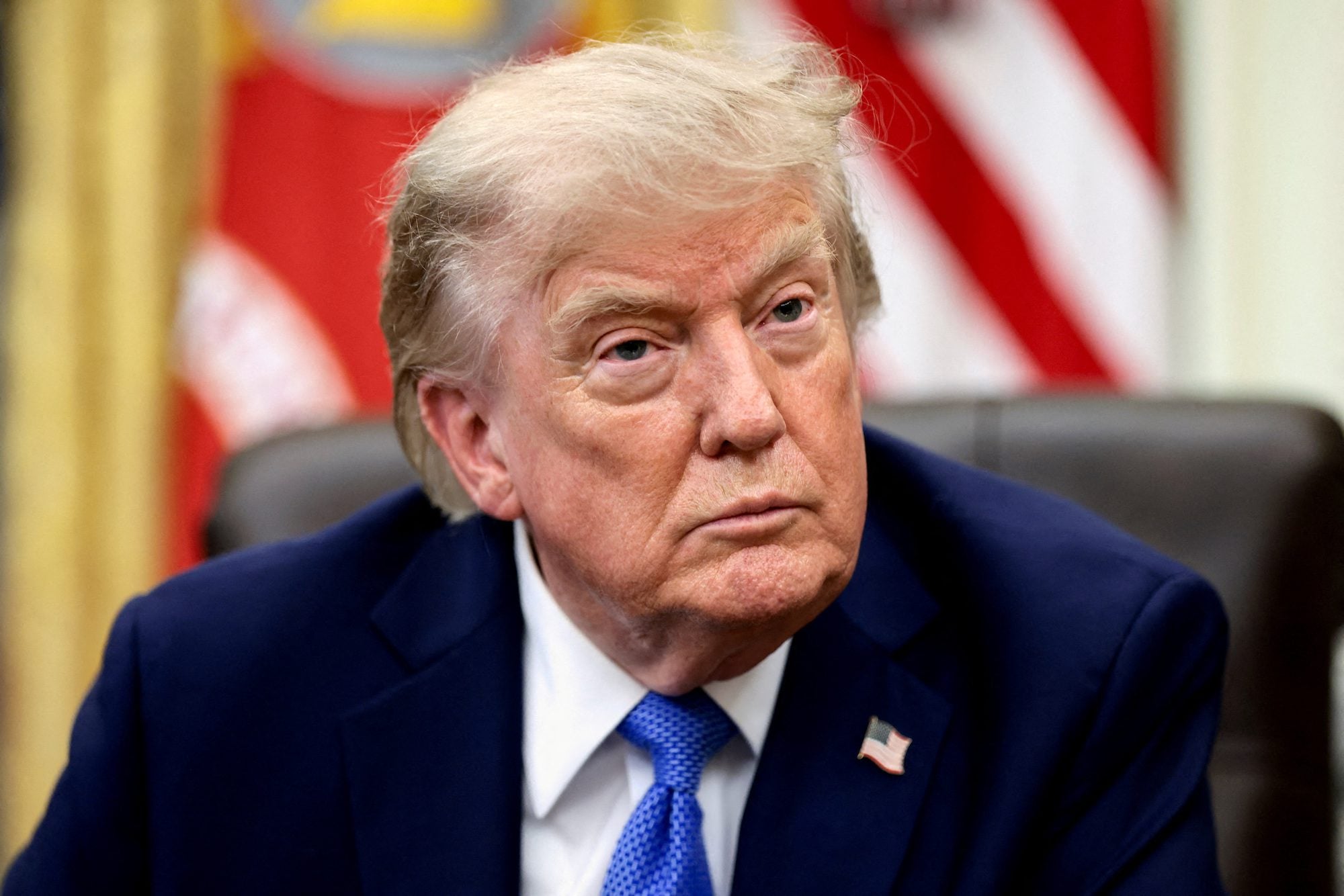
President Donald Trump attends an event to sign executive orders in the Oval Office at the White House in Washington, D.C., U.S., August 6, 2026.
Nội dung chi tiết
Democrats’ takeover of both chambers of Congress in Tuesday’s midterm elections has raised new questions about the future of U.S. maritime policy, with implications for tariffs, shipbuilding, the Jones Act, offshore energy, and the Trump administration’s military operations in the Middle East.
The sweeping election results will leave President Donald Trump facing a Democratic-controlled Congress for the final two years of his presidency, giving lawmakers greater authority to challenge administration policies, conduct investigations, and determine federal spending priorities.
For the maritime industry, the shift comes at a particularly consequential time. The administration is pursuing an ambitious plan to rebuild American shipbuilding and expand the U.S.-flag fleet, while its trade policies and ongoing war with Iran have disrupted global shipping markets.
Vice President JD Vance on Wednesday directly blamed the Iran war for Republicans’ election losses.
“The reason we lost is the war. The president himself said so last night,” Vance wrote on X.
The election raises questions about which maritime initiatives will retain bipartisan support, which could face increased scrutiny, and how much of the administration’s agenda can advance without congressional approval.
Here are some of the major shipping issues now in play.
The future of U.S. military operations against Iran is among the most immediate questions facing the incoming Congress, particularly after Vance’s acknowledgment of the war’s political consequences.
The conflict has significantly disrupted commercial shipping through the Strait of Hormuz, with repeated attacks on merchant vessels, restrictions on maritime traffic, and elevated tanker rates and war-risk insurance costs.
The United States has maintained a naval blockade targeting Iranian maritime commerce, while Iran has continued to threaten and attack shipping in the region.
Iranian officials have demanded an end to the U.S. blockade, relief from oil sanctions, and the release of frozen funds as conditions for reopening Hormuz.
With Democrats taking control of Congress, lawmakers could intensify scrutiny of the administration’s military strategy, the legal basis for continued operations, and the economic consequences of the conflict.
Congress also controls defense appropriations and could consider measures aimed at limiting military operations or requiring additional authorization.
Trump would retain substantial commander-in-chief authority, however, and any legislation restricting military operations could face a presidential veto.
Trump’s tariff policies are another major area likely to come under pressure.
The administration has imposed broad import duties on U.S. trading partners, creating uncertainty for international trade and influencing cargo volumes, sourcing decisions, and container shipping demand.
Following a February Supreme Court ruling that invalidated tariffs imposed under the International Emergency Economic Powers Act, the administration turned to other trade authorities, including Sections 232 and 301, to maintain and expand its tariff program.
Democrats have already indicated plans to challenge those policies.
Senator Ron Wyden, the ranking Democrat on the Senate Finance Committee, has called for rolling back tariffs on Canadian goods and restoring a greater congressional role in trade policy.
Congressional committees could investigate tariff exemptions, trade agreements, and the effects of import duties on U.S. businesses and consumers.
For shipping, the implications extend to containerized imports, agricultural and industrial exports, and supply chains that have already adjusted to changing tariff deadlines.
However, congressional control does not automatically eliminate existing tariffs. Trump retains veto authority, while federal trade laws provide the executive branch with considerable discretion to impose duties.
The future of the administration’s Maritime Action Plan is another major question.
Released in February, the plan outlines an ambitious effort to rebuild American commercial shipbuilding capacity, modernize shipyards, expand maritime workforce training, and increase the number of U.S.-flagged vessels operating in international commerce.
Several major proposals require congressional legislation or funding, including new shipbuilding incentives, a Maritime Security Trust Fund, and financial assistance to support the construction and operation of American merchant ships.
The administration has also proposed a universal fee on foreign-built commercial vessels calling at U.S. ports, assessed on the weight of imported cargo. According to the plan, a fee of one cent per kilogram could generate approximately $66 billion over ten years.
Unlike existing measures targeting China-linked shipping, the proposal would apply to foreign-built vessels regardless of the country where they were constructed.
How Congress approaches the proposed fee, its revenue, and the maritime programs it would finance remains an open question.
At the same time, efforts to expand the U.S. maritime industrial base have attracted bipartisan interest, particularly amid growing concerns about China’s dominance in commercial shipbuilding.
The SHIPS for America Act and related proposals to expand the U.S.-flag fleet could remain part of the legislative agenda, although their funding and implementation may face renewed debate.
The change in congressional leadership also has implications for naval construction and military sealift.
Congress determines annual defense authorizations and appropriations, including funding for warships, submarines, military support vessels, and shipyard modernization.
Those decisions are increasingly important as commercial shipyards seek to expand into defense work, including Hanwha Philly Shipyard’s recent transition toward dual-use construction.
Congress could examine Navy procurement priorities, shipbuilding delays, industrial capacity, and the balance between commercial and military vessel construction.
The Maritime Administration’s Ready Reserve Force and other military sealift programs could also face additional scrutiny.
The recent activation of the National Security Multi-Mission Vessel Empire State VII for an undisclosed military mission raises questions about the use of maritime training vessels for defense requirements, particularly when the administration is seeking to expand the number of qualified merchant mariners.
Funding for the Maritime Security Program and Tanker Security Program, which provide access to privately operated U.S.-flag vessels for national defense purposes, will also remain subject to congressional decisions.
The Jones Act is another area where increased congressional oversight could have direct consequences for domestic shipping.
The law requires cargo transported between U.S. ports to move aboard qualifying U.S.-built, U.S.-owned, and U.S.-crewed vessels.
Although the law enjoys longstanding bipartisan support, the administration’s use of emergency waivers during the Iran war has generated controversy among maritime unions and domestic vessel operators.
The current waiver, which allows certain foreign-flagged vessels to transport energy products and other qualifying cargoes between U.S. ports, is scheduled to expire November 15.
Nine maritime labor organizations recently raised concerns about the waiver’s compliance with federal law , including reporting requirements and restrictions on the use of foreign vessels.