Lúa mì giàu protein, trồng ở sa mạc có tiềm năng cho Trung Đông
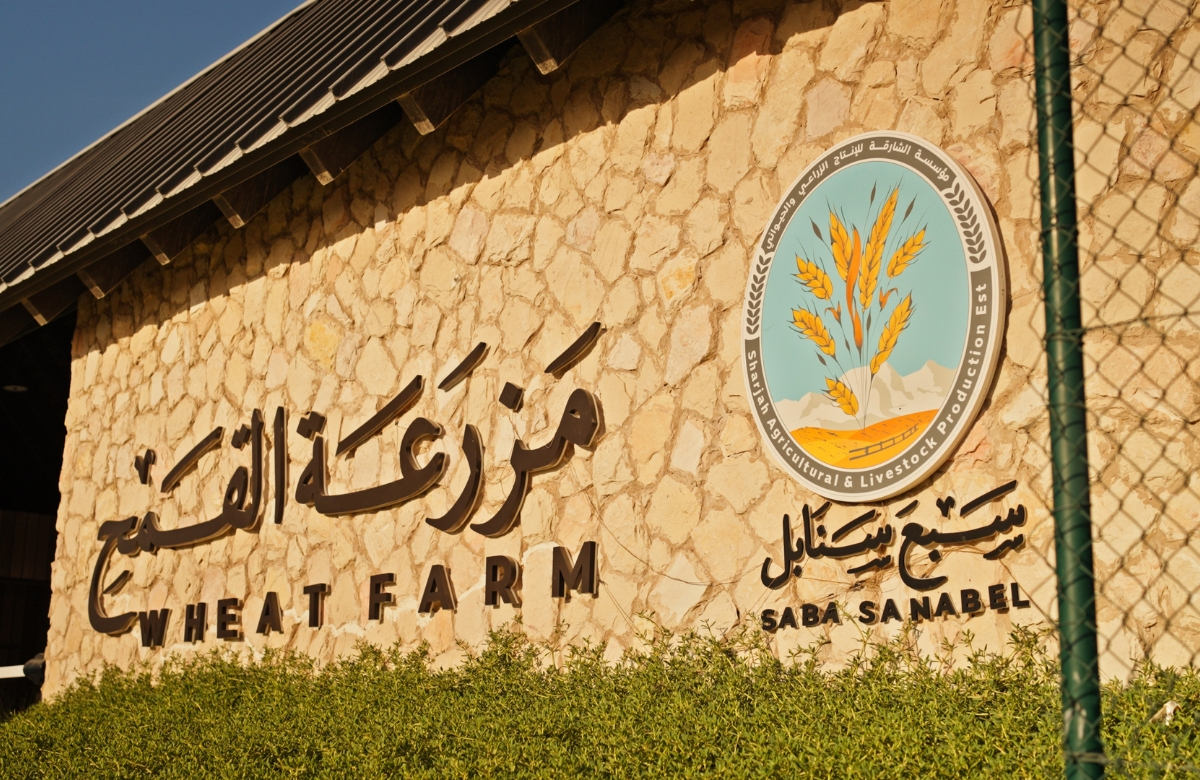
Để trồng lúa mì hữu cơ trong khí hậu sa mạc, các chủ sở hữu sử dụng sự kết hợp giữa công nghệ nông nghiệp hiện đại và kỹ thuật canh tác truyền thống: tưới tiêu có mục tiêu, phân bón tự nhiên, giám sát vệ tinh và đất...
Nội dung chi tiết
To grow organic wheat in the desert climate, the owners use a combination of modern agricultural technology and traditional farming techniques: targeted irrigation, natural fertilizer, satellite monitoring and soil sensors. This approach is designed to make cultivation possible in the region’s cooler months — November to April — when conditions are more suitable for growing wheat.
The sensors measure moisture down to 60 centimeters (24 inches), and the irrigation system, which uses desalinated water vs. groundwater, waters only the plants that need it instead of the entire field. The technique has reduced water use by 30% according to the Government of Sharjah.
“The speed at which the Emirates grow in technique, how they always boost themselves to move forward without forgetting the tradition, is something that fascinates me every day,” Mostegl said.
In October 2025, the Food and Agriculture Organization (FAO) of the United Nations recognized the Government of Sharjah for its sustainable wheat farming. It was just one of eight initiatives selected from 271 nominations from 52 countries.